In 1952 students in Dhaka marched to demand that Bengali be recognised as a state language of Pakistan. Police opened fire on 21 February and several protesters were killed. Nineteen years later East Pakistan became Bangladesh. Few episodes show more clearly that in South Asia language is never just a matter of grammar. It is a matter of power.
India and Pakistan still live with that lesson. Both countries govern huge multilingual populations and both have fought bitter political battles over which languages the state should use. Those battles shape elections and education and even the map. That February date is now marked worldwide as Mother Language Day after UNESCO proclaimed it in 1999.
A Country Built Along Linguistic Lines
Ask how many languages in India and the honest answer depends on how you count. The constitution lists 22 scheduled languages. The 2011 census grouped thousands of reported mother tongues into 121 languages with at least ten thousand speakers each. Some linguists put the real figure far higher.
Indian leaders understood early that ignoring this diversity was dangerous. In 1956 the States Reorganisation Act redrew internal borders largely along linguistic lines. Tamil speakers and Telugu speakers and Kannada speakers each gained states where their language dominated public life. The decision calmed some tensions and created new political identities that still drive regional parties today.
The Languages of India overview shows how many of these groups have their own scripts and literary traditions and media. A politician campaigning in Chennai and one campaigning in Lucknow are effectively speaking to different nations inside one country.
The Fight Over a National Language
The Indian constitution made the language spoken across much of the north the official language of the Union and allowed English to continue alongside it. The original plan was to phase English out after fifteen years. That plan collapsed in 1965 when protests erupted in Tamil Nadu against what many saw as northern domination. The Official Languages Act was amended and English stayed.
The argument has never fully ended. The National Education Policy of 2020 promotes a three language formula in schools. Tamil Nadu has repeatedly rejected it and argues that the policy pushes a northern language on students who already learn their mother tongue and English. The dispute flared again in 2025 when the state and the central government clashed over education funding linked to the policy.
Elections make the stakes visible. In the 2024 general election nearly 970 million people were registered to vote. Parties printed manifestos and campaign material in dozens of languages. Any candidate who ignored the local tongue risked looking like an outsider.
Pakistan and the Weight of Urdu
Pakistan chose a different path. At independence its leaders promoted Urdu as the national language to bind a new and divided state together. Yet Urdu was the mother tongue of only a small minority. Punjabi and Pashto and Sindhi and Balochi and Saraiki speakers far outnumbered native Urdu speakers.
Understanding the pakistan language landscape helps explain many of the country's political fault lines. Sindhi nationalism and Baloch grievances and Pashtun movements all carry a strong linguistic dimension. When people feel their language is ignored by the state they often feel their region is ignored too.
English complicates the picture further. It remains the language of the higher courts and the army and much of the civil service. In 2015 the Supreme Court ordered the government to adopt Urdu for official business. Implementation has been slow and English still dominates elite institutions.
Courts and Parliaments in Many Tongues
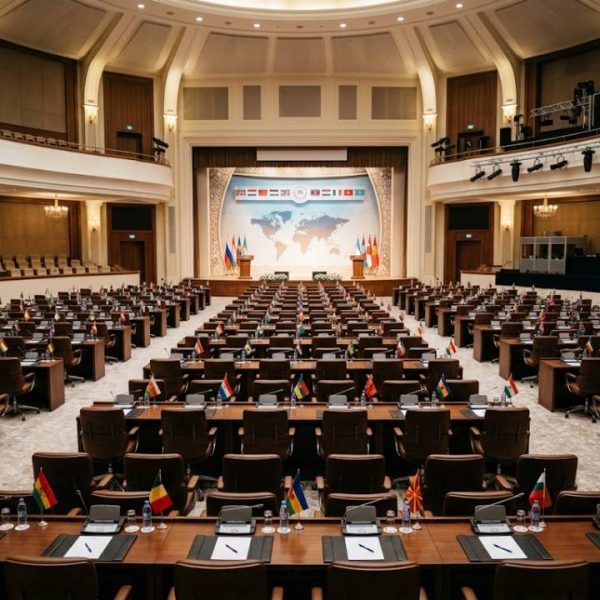
Legislatures reflect the same diversity. Members of the Indian Parliament can speak in any of the scheduled languages and interpreters provide simultaneous translation. In recent years the service has expanded so that more speeches reach colleagues in their own language. It is a small detail with large symbolic value.
The courts are another battleground. Proceedings in the Supreme Court of India are conducted in English. That leaves many litigants unable to read the judgments that decide their cases. The court has started publishing translated versions of its rulings in regional languages using a mix of software and human review. Lawyers welcome the step but warn that legal terms need careful checking.
In Pakistan provincial assemblies debate in Urdu and English and sometimes in regional languages. Official records do not always follow. Citizens who want to follow a debate or a bill in their mother tongue often depend on journalists and civil society groups to explain what was decided.
Why Outsiders Should Pay Attention
For foreign governments and investors and journalists these debates are not a side issue. A policy announced in one language can be received very differently in another. Protests often begin with a perceived insult to a regional language before they turn to economic grievances.
Companies entering South Asian markets face practical consequences. Contracts may need versions in several languages. Consumer communication that works in one state can fail completely in the next. Public institutions increasingly expect documents in the regional language as well as in English.
Diplomats face the same challenge. Statements that sound neutral in English can carry unintended meaning once they are translated and quoted in regional media. Embassies that monitor local language press gain a much clearer picture of public mood than those that rely only on English outlets.
Technology and the Next Chapter
Digital tools are changing the balance. India has invested in machine translation projects aimed at making government services available in all scheduled languages. Voice interfaces allow citizens with limited literacy to interact with public services in their own tongue.
These tools could reduce some of the old tensions by making every language more useful in daily life. They could also create new ones if some languages receive far better support than others. Smaller languages with few digital resources risk being left behind again.
Language in South Asia will remain a political force because it is tied to identity and dignity and opportunity. Governments that respect that reality tend to face fewer crises. Those that try to impose a single tongue from the centre usually discover how quickly a grammar question can become a national one.